
We are here for you

sales[at]exateq.de

We are here for you

+49 9181 4636422

Information on engaging topics

Insights
Gloved hand holding a polished silicon wafer in sunlight
SOLUTIONS · MATERIALS & SUBSTRATES

Materials & substrates for wet chemical processing

Whether wafers, glass panels, IC substrates or precision components: material, surface and geometry define the requirements for cleaning, etching, rinsing and drying. exateq configures wet benches, substrate handling and chemical supply around your application.

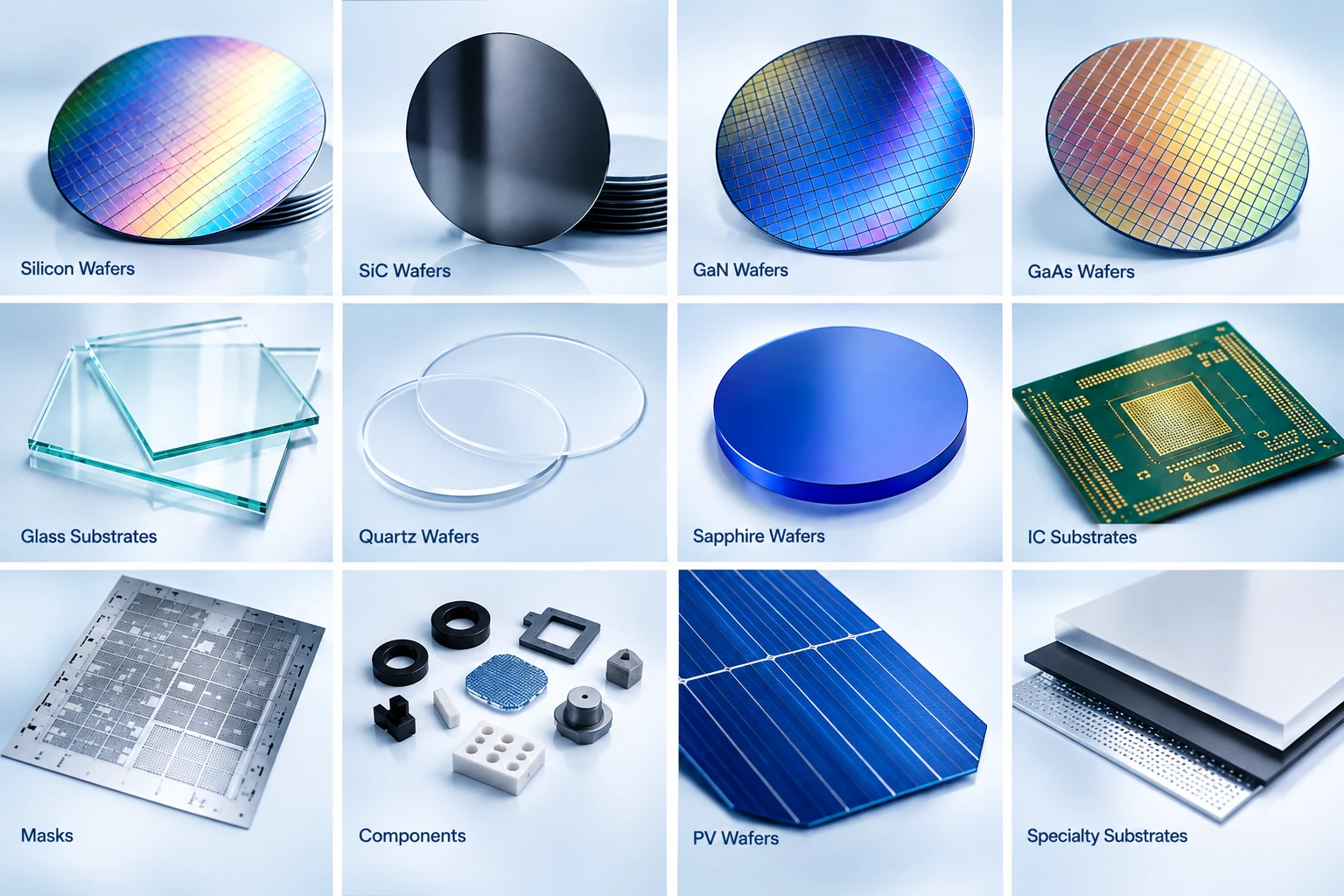
Overview of silicon, SiC, GaN, and GaAs wafers, glass, quartz, sapphire, IC substrates, masks, components, PV wafers, and special substrates
Illustrative overview of typical substrate groups. Processes and equipment are configured for the specific application.

FROM WAFERS TO COMPONENTS

Which materials are processed using wet chemistry?

The following substrate groups differ in chemical resistance, mechanical strength and surface structure. A process sequence must match the material and layer stack involved.

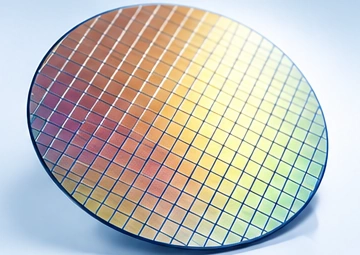
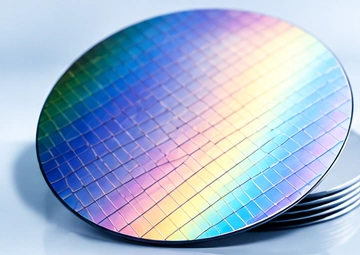
Monocrystalline silicon wafers
01

Silicon wafers

Silicon wafers underpin many semiconductor processes. Depending on the production step, priorities include particle removal, surface cleaning or defined etching processes. Layer stack, wafer thickness and surface condition affect process design.

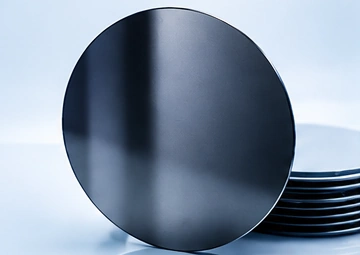
Silicon carbide (SiC) wafer
02

Silicon carbide (SiC)

For SiC wafers, surface cleanliness, existing layers and handling requirements must be considered together. Cleaning, rinsing and drying steps are matched to the relevant production stage.

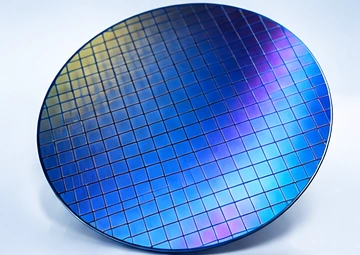
Gallium nitride (GaN) wafer
03

Gallium nitride (GaN)

GaN is often processed as a layer on a supporting substrate. Compatibility must therefore be considered for the complete layer system, including exposed contact and carrier materials.

Gallium arsenide (GaAs) wafer
04

Gallium arsenide (GaAs)

For GaAs, process chemistry, exhaust and separate collection of resulting media need to be addressed early. Equipment design depends on the application, layer stack and site safety concept.

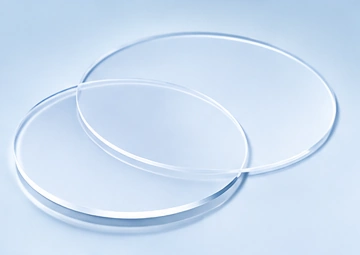
Optical glass substrates
05

Glass substrates

Glass panels and patterned glass substrates require cleaning across the surface and gentle handling. Glass type, coating, dimensions and permissible surface changes determine the appropriate treatment.

Quartz glass and quartz wafers
06

Quartz and fused silica

Quartz and fused silica substrates are treated according to their surface, geometry and coating. Process selection focuses on chemical compatibility and avoiding unintended surface attack.

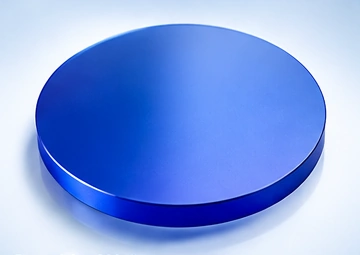
Sapphire substrates and sapphire wafers
07

Sapphire wafers

For sapphire substrates, the cleaning objective must suit existing surface structures. Suitable carriers and defined contact points support reproducible handling during rinsing and drying.

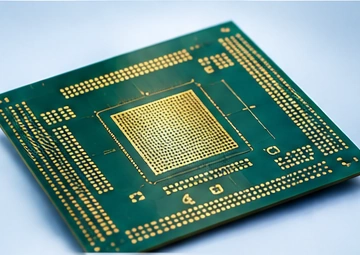
Integrated circuits and printed circuit boards (IC / PCB)
08

IC substrates and printed circuit boards
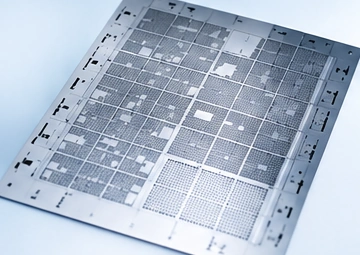
For organic or inorganic IC substrates and printed circuit boards, metallisations, dielectrics and structures must be assessed together. Panels and larger formats require suitable fixtures and transport paths.

Photolithography and solder masks
09

Masks and patterned substrates

Sensitive structures and coatings require tailored cleaning conditions. Process forces, contact areas and final drying are designed around the loads the substrate can tolerate.

Precision components for wet chemical cleaning
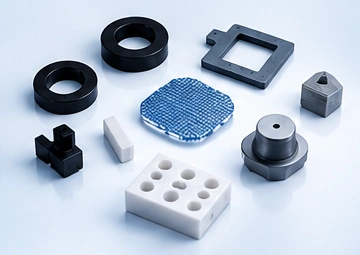
10

Precision parts and components

Metal, ceramic and polymer components have different geometries and contamination profiles. Baskets, fixtures and process control are matched to accessibility, rinsing requirements and chemical carryover.

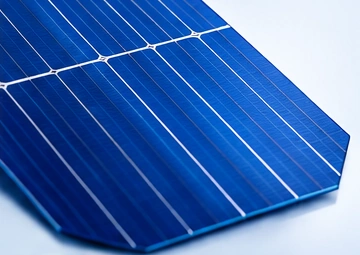
Photovoltaic and solar cells
11

PV wafers and solar cell substrates

For PV wafers, cleaning, texturing and other application-specific wet processes are relevant. Thin substrates require gentle handling, while batch size and process sequence must suit the intended throughput.

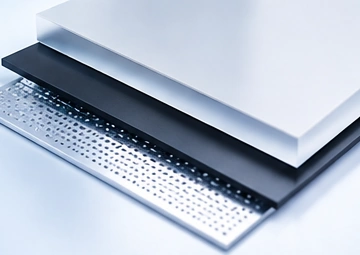
Custom special substrates
12

Specialty materials and formats

Multilayer systems, coated substrates and unusual geometries require individual assessment. Drawings, material data, layer-stack details and the desired process result help guide an initial discussion.

DESIGNING THE PROCESS AND EQUIPMENT TOGETHER

What determines the right wet bench?

The material designation is a starting point. A sound equipment design also requires the process objective, layer details, dimensions and production conditions.

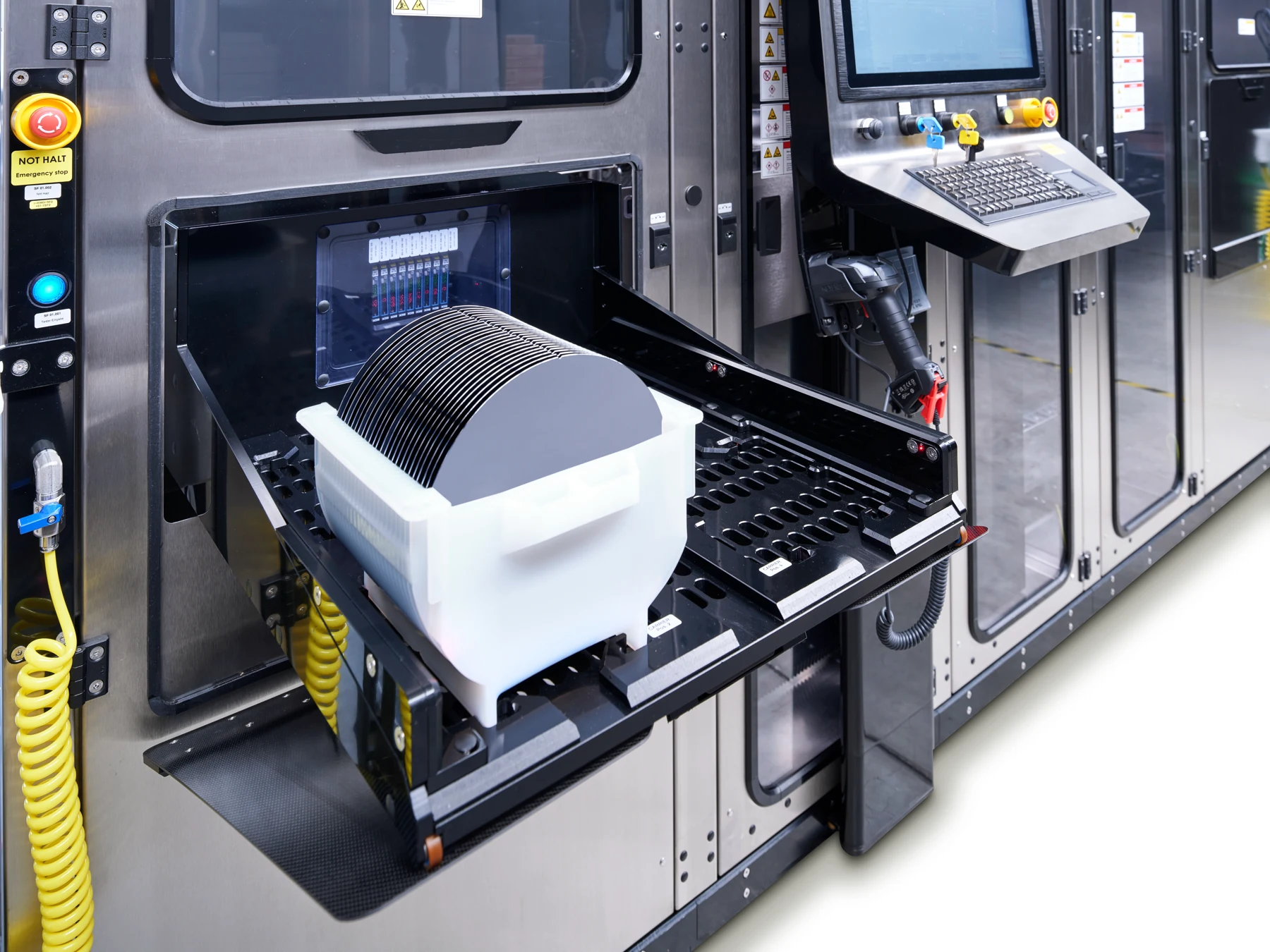
Wafer carrier on the loading drawer of an exateq system
Substrate handling in practice: wafer carrier on the loading drawer of an exateq system. Fixtures, contact points and transfer are matched to the substrate.
  1. Material & layer stack

    Consider the base material, coatings, contact metals and all surfaces exposed to chemicals.

  2. Format & handling

    Define dimensions, thickness, weight, breakage risk and permissible contact areas.

  3. Process & cleanliness

    Agree cleaning or etching objectives, media, temperatures and rinsing and drying requirements.

  4. Throughput & integration

    Align batch size, cycle time, automation level, chemical supply and waste collection.

Equipment solutions for your substrates

Solution Role in the process
Manual wet benches → Flexible operation in laboratories, development and production, with application-specific tanks and substrate fixtures.
Automatic wet benches → Defined process sequences and automated substrate transport for recurring batch processes.
Fume hoods → Exhausted work areas for manual chemical handling, equipped for the task and protection concept.
Chemical supply & waste collection → Supply and separate collection of process media to suit the process chemistry.
Wafer carriers & substrate holders → Fixtures designed for substrate dimensions, material, contact areas and automation interfaces.
Drying systems → Drying after wet processes, matched to geometry and surface requirements.

Substrate material and equipment material are different

Silicon, glass or ceramics describe the workpiece being processed. PP, PVDF, conductive polymers or stainless steel may be equipment construction materials. Both choices are linked through process chemistry, but address different questions.

Read the article: Choosing the right material for wet benches →

Frequently asked questions

Can different substrates be processed in the same wet bench?

This may be possible if process chemistry, contamination requirements, substrate holders and the safety concept are compatible. Incompatible media or demanding purity requirements may require separate process areas.

Are wet processes suitable for coated wafers?

Suitability depends on the entire layer stack. Coatings, contact metals and exposed structures need to be assessed alongside the base substrate for the intended treatment.

What information is needed for an enquiry?

Useful information includes material and layer stack, dimensions, thickness, required processes, chemicals and temperatures, batch size, throughput target and cleanliness requirements. Drawings or samples can support the discussion.

Which solution suits thin or fragile substrates?

Suitability is assessed through substrate support, movement profiles and the loads in each process step. Contact points, carriers, transport and drying are considered together.

What does your substrate require?

Talk to exateq about your material, process objective and throughput. Together we can define the requirements for the wet bench, handling and chemical supply.

Discuss your substrate and application